Disegniamo mappe dei sentieri e le regaliamo
Mapazonia è un'associazione di Bolzano. Rileviamo sentieri, disegniamo carte e le pubblichiamo in modo che chiunque possa scaricarle e stamparle. Non vendiamo nulla.
Abbiamo iniziato nel 2019 perché una carta della Val Sarentino che usavamo era ferma al 2006 e tre attraversamenti indicati non esistevano più. Rifarla da capo è sembrato più sensato che lamentarsi.
Cosa trovate qui
Carte in PDF
Scala 1:25.000, pensate per essere stampate su A3 e piegate in tasca. Nessuna registrazione.
Schede dei sentieri
Dislivello, fondo, punti d'acqua, dove non prende il telefono. Aggiornate dopo ogni sopralluogo.
Metodo
Come rileviamo, con quali strumenti e quale margine d'errore dichiariamo.
Laboratori
Due volte l'anno insegniamo a leggere e disegnare una carta. Gratuiti, con iscrizione.
Ultimi aggiornamenti
| Data | Foglio | Cosa è cambiato |
|---|---|---|
| 28 agosto 2026 | Sarentino nord | Ponte sul rio Valdurna rifatto, tracciato spostato di 400 m |
| 9 agosto 2026 | Renon | Due sorgenti verificate asciutte a luglio, segnalate come stagionali |
| 17 luglio 2026 | Val d'Ega | Sentiero 8 chiuso per frana, indicata la variante |
| 2 giugno 2026 | Sciliar | Nuova edizione del foglio, quarta dal 2021 |
Le nostre carte non sostituiscono la cartografia ufficiale. Sono un lavoro volontario, con errori possibili. In montagna portate sempre anche una carta ufficiale e non affidatevi solo al telefono.
Chi lo fa
Siamo tre soci attivi e una decina di persone che camminano con noi quando serve un sopralluogo. Nessuno è pagato. Le spese — carta, stampe, un abbonamento a un servizio di dati altimetrici — le copriamo con le quote sociali, trenta euro l'anno.
Come nasce una mappa
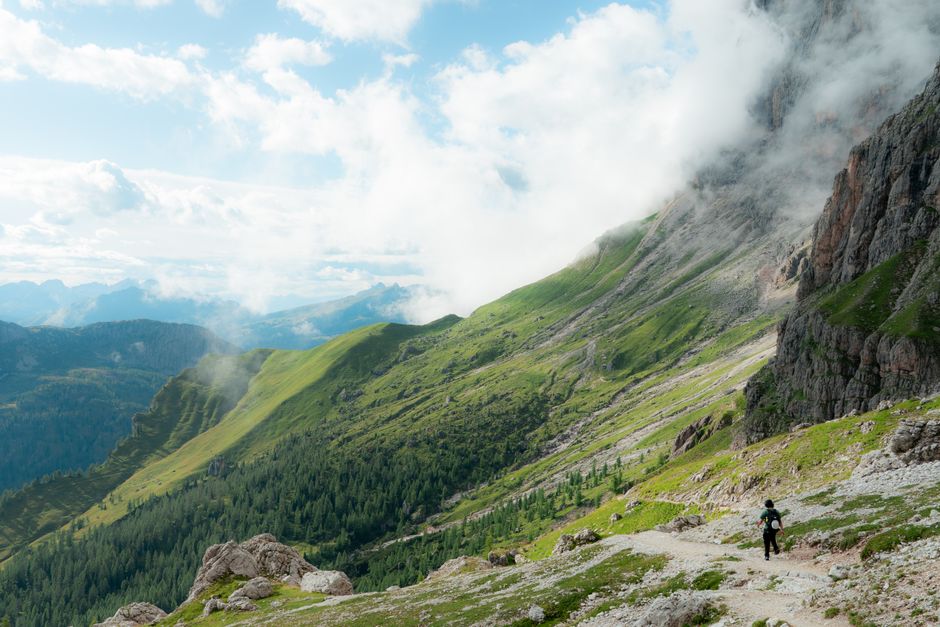
Camminiamo il sentiero, lo rileviamo e lo disegniamo — ecco un'idea del territorio su cui lavoriamo.
Richiedi una mappa o proponi un sentiero
Ti serve una carta di una zona, vuoi segnalarci un sentiero da rilevare o dare una mano come volontario? Scrivici. Siamo un'associazione di Bolzano e leggiamo tutto: di solito rispondiamo entro un giorno o due.